
11 Cheat Codes for Finding Your Iconic Writing Style
And why talent is overrated

“Sometimes you have to play a long time to sound like yourself.” – Miles Davis
I wrote approximately 1,000 poems before getting one published.
Before getting my first book deal, I had already reinvented myself two dozen times.
I’ve had more failures than success stories and spent more time stuck than in flow state.
And somewhere along the way, I found my voice.
Nobody is born a great writer. It takes time and dedication to develop your craft. I’ve been writing consistently since I was 14 years old and didn’t hit my stride until I was 40.
I believe every writer has an iconic voice – a song only they can sing. This voice is already inside you, but needs to be discovered, like a sculptor discovering the statue by chipping away the excess stone. It’s a process of refinement through ritual – making a commitment to your craft.
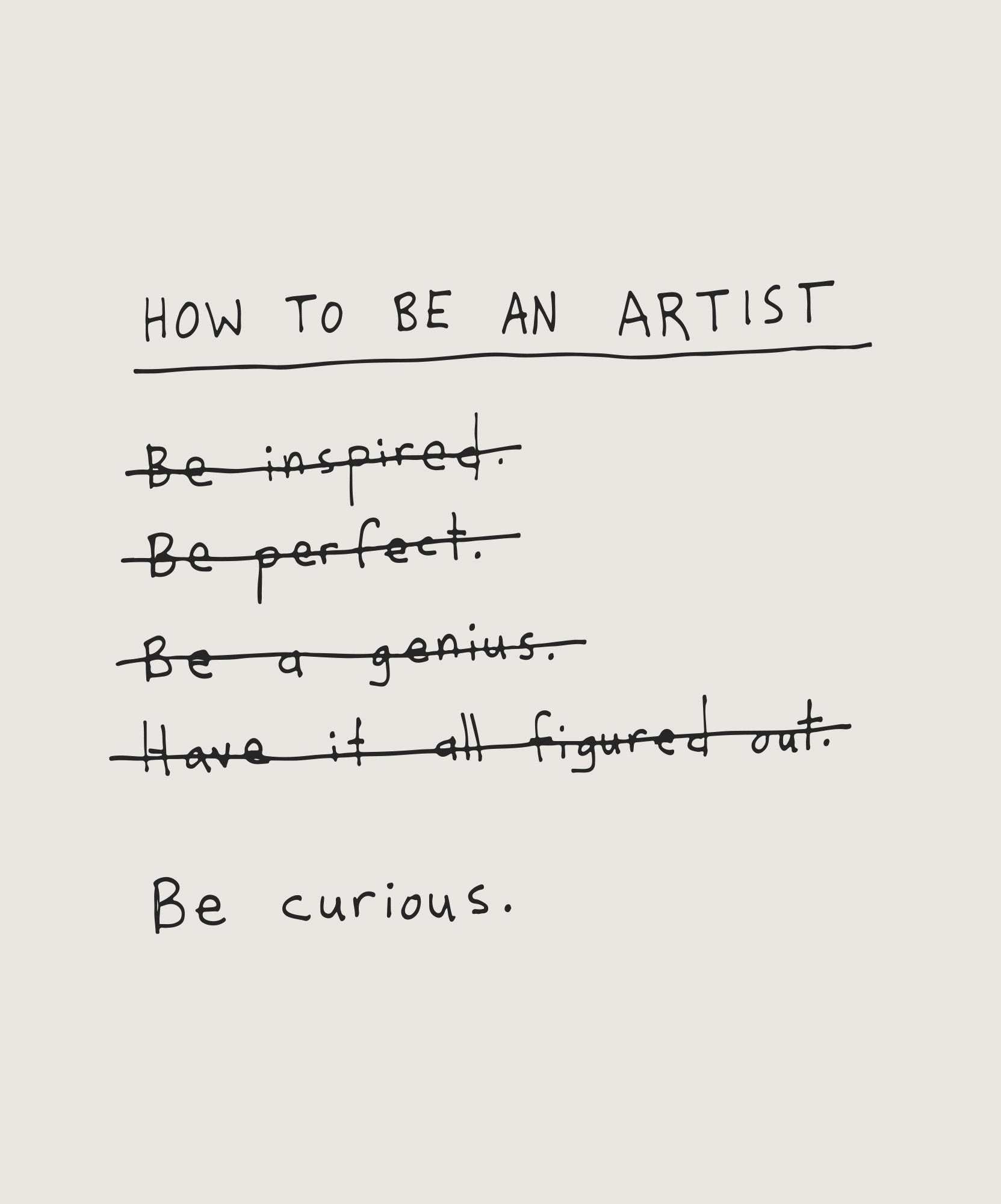
Following are my 11 biggest lessons from a lifetime of writing:
1. Always be reading
Reading teaches you the scope of what’s possible. The more you read, the more references, styles, and techniques you have to draw from.
Each writer is a composite and remix of their influences. Every bookshelf is filled with potential mentors.
Whatever project I’m working on, I start each day reading something that holds the frequency I want to evoke.
2. Seek out novel experiences
Inspiration is a cycle that must be renewed. If you feel stuck, venture out to refill your cup with emotions and experiences so you have new energy to pour into your work.
Go exploring. Break routine. Visit an art gallery. Kiss a stranger. Get your heart broken. Novelty creates new neural pathways to inspire fresh ideas.
3. Have a mindfulness practice
The best writing comes from intuition, not logical thinking. Before harvesting crops (your writing), you have to cultivate the soil (your consciousness).
A mindfulness practice might mean meditation. Or it could be spending time in nature, doing breathwork, or taking your time with a good book.
In the creative process, listening is more important than thinking. When you quiet your busy mind, you can hear the voice of the muse.
4. Avoid unnecessary flourishes
While starting out, many writers like to use fancy, convoluted language because they think it gives their work character. But good writing is about a strong foundation, not decoration.
I try to write as plainly as possible and let the idea or observation speak for itself. A master chef only uses essential ingredients. You can’t fix a bad meal by adding more condiments.
5. Be sensitive to your body
I believe writing is a somatic practice. The emotions and energy we hold in our bodies have access to a subtle intelligence beyond the conscious mind.
Move from your brain to your body. When you are present with yourself and feel your feelings without forcing thought or treating your writing like a problem to solve, the right words will come naturally.
6. Share your work
The point of cooking food is to nourish yourself and others. The point of making art is to nourish yourself through the act of creation, and to offer a gift to those who receive it.
Sharing your work isn’t about receiving validation. It’s about honoring the cycle of creativity. Sharing your work makes space for new inspiration.
7. Don’t worry about being good
In fact, don’t try at all. Just be natural and keep going. Aim for exploration, not perfection. You have to be a bad artist before you can be a good artist.
Don’t worry about sounding smart or original or talented. Just keep documenting your honest observations and reflections, and when you do it long enough, it will automatically be good.
8. Say the uncomfortable thing
If you want to capture and hold a reader’s attention, you have to say things they don’t hear every day, something that pushes against an edge.
The irony is, a writer has to get comfortable sharing uncomfortable truths with strangers that they might not even share with friends or family.
What are the true contents of your inner world – your kinks, trauma, crazy stories, and biggest mistakes? Let us look inside. The depth is always more captivating than the surface.
9. Find your internal rhythm
It’s been said that poetry is to language what music is to sound. Good writing has a subtle musical quality. Some rhythms are fast, others are slow. Some ramble and stretch, others are short and sweet.
Before looking for words, listen to your internal rhythm, the beat and pacing you want the words to follow, and let your language dance to the beat.
10. Ground the reader in the five senses
Truly engaging writing isn’t an intellectual abstraction. It’s a sensory experience that activates the body and imagination.
Paint a picture. Describe details – sights, sounds, smells. Don’t just be clever or wise. Be human. Create a sensual world for the reader to inhabit.
11. Have a consistent ritual
To master any craft requires commitment. Does it feel hard? Keep going. Do you feel stuck? Keep going. Your writing will develop in proportion to the work you put in.
Consistency is not the same as productivity. Showing up is the most important thing. It doesn’t matter how much you write. Make your practice a ritual you do with consistent devotion.
Which is your favorite? Do you have any other cheat codes for writing? Share in the comments!
Introducing Creative Calling, a self-guided program for writers, artists, and entrepreneurs.
In a digital landscape starved for true connection, authenticity is your greatest asset. Creative Calling offers a methodology for growing a creative and conscious personal brand from muse to monetization.
Including video workshops, rituals, guided meditations, and more, this course is the culmination of everything I’ve learned over decades of writing, mindfulness, and growing a platform online.
New podcast episode:
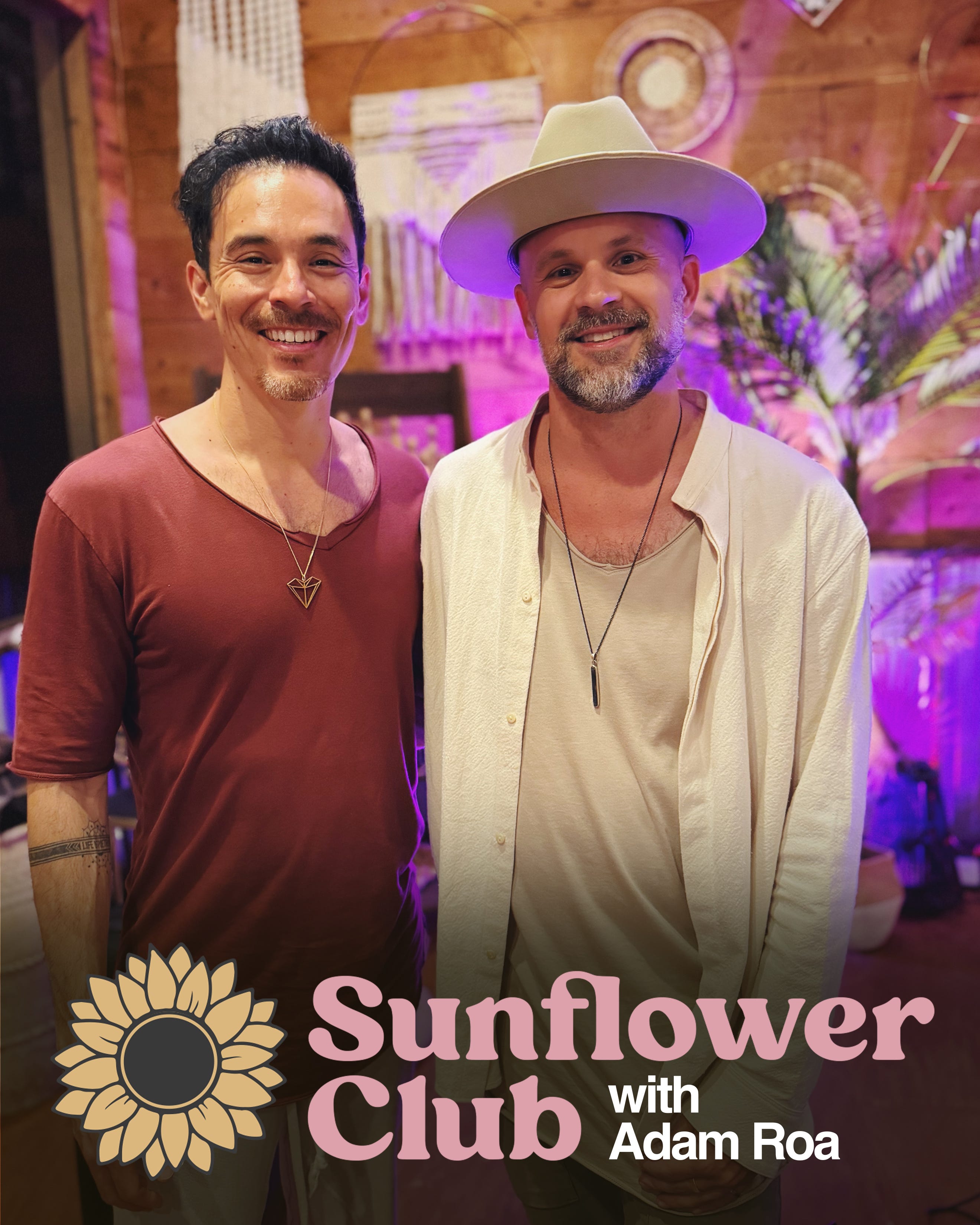
Poet and speaker Adam Roa recently joined the Sunflower Club podcast to talk about his creative journey, how going viral changed his life overnight, his writing process, and how he turned his passion into a career.
Very cool
Thank you for sharing. You've embodied this wisdom so well and made it simple. I love 9. "Before looking for words, listen to your internal rhythm, the beat and pacing you want the words to follow, and let your language dance to the beat." Awesome.